


Events calendar
| WEEK 36 |
| Tuesday. 07 September, 2021 | |
| 4:00 pm |
Dividing the brain: the dimming of sensibility in the Westonline Learning to Live Well Together ~investigating the shaping of education from ethics of relationship & listening.Seminar Three: Dividing the brain: the dimming of sensibility in the WestProfessor Iain McGilchrist, UK
The subject of hemisphere differences has a poor track record, discouraging to those who wish to be sure that they are not going to make fools of themselves in the long run. Beliefs about the differences between the hemispheres have passed into the popular consciousness. These beliefs could be characterised as versions of the idea that the left hemisphere is somehow gritty, rational, realistic but dull, and the right hemisphere airy-fairy and impressionistic, but creative and exciting. In reality, both hemispheres are crucially involved in reason, just as they are in language; both hemispheres play their part in creativity. Perhaps the most absurd of the popular misconceptions is that the left hemisphere, hard-nosed and logical, is somehow male, and the right hemisphere, dreamy and sensitive, is somehow female.
His books include Against Criticism (Faber), The Master and his Emissary: The Divided Brain and the Making of the Western World (Yale UP), The Divided Brain and the Search for Meaning; Why Are We So Unhappy? (Yale UP), and Ways of Attending (Routledge). |
| Thursday. 09 September, 2021 | |
| 4:00 pm |
Democracy in education: steps in realityonline Learning to Live Well Together ~investigating the shaping of education from ethics of relationship & listening.Seminar Four: Democracy in education: steps in realityHarold Göthson & Malin McConnachie, Stockholm, SwedenHarold Göthson introduces a current action-research publication from Sweden: We are interdependent on each other throughout our world - and all human life is connected to the health of our planet. It is something we are constantly reminded of in our time. In this, everyone can see themselves as insignificant or we can instead choose to become responsible and involved citizens. When we do that, and even if we disagree, we are helping to give new meaning to a democratic world citizenship. Our view is that this is necessary for a sustainable future.
Malin McConnachie lets us meet a group of children with three to five-year olds in a municipal preschool in central Stockholm. Children who have been allowed to create hypotheses, negotiate and test their ideas in an exploration based on the focus 'Sustainable Future' with a focus on ecology.
|
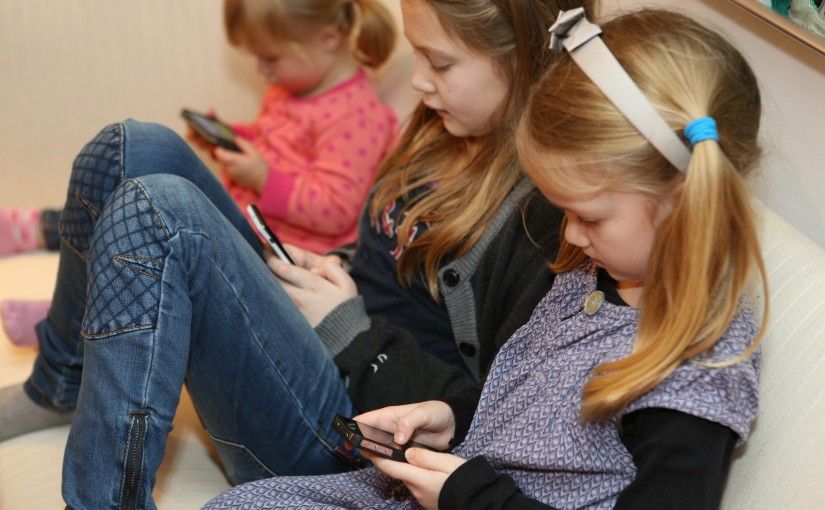 The real problem is inside our heads: we act like people with right hemisphere brain damage – treating people like things to be sorted, used, and thrown away, But there is an alternative, a more balanced way of thinking: we need to relearn how to use our brains before it is too late.
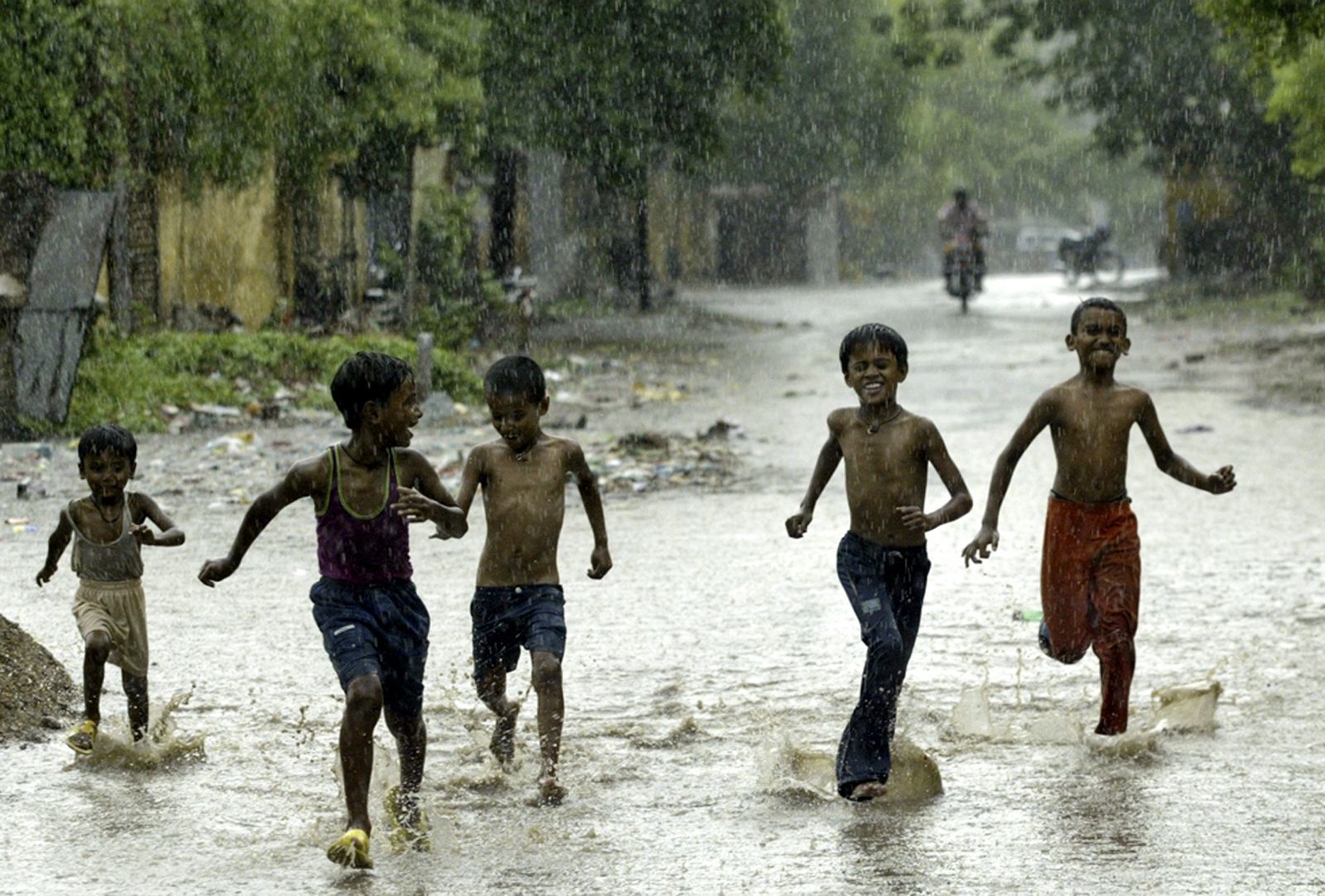 There is little doubt that the issues of brain asymmetry and hemisphere specialisation are significant. The question is only – of what? I believe there is, literally, a world of difference between the hemispheres. There is a plethora of well-substantiated findings that indicate that there are consistent differences – neuropsychological, anatomical, physiological and chemical, amongst others – between the hemispheres. But when I talk of ‘meaning’, it is not just that I believe there to be a coherent pattern to these differences. That is a necessary first step. I would go further, however, and suggest that such a coherent pattern of differences helps to explain aspects of human experience, and therefore means something in terms of our lives, and even helps explain the trajectory of our common lives in the Western world. My thesis is that for us as human beings there are two fundamentally opposed realities, two different modes of experience; that each is of ultimate importance in bringing about the recognisably human world; and that their difference is rooted in the bihemispheric structure of the brain. It follows that the hemispheres need to co-operate, but I believe they are in fact involved in a sort of power struggle, and that this explains many aspects of contemporary Western culture.
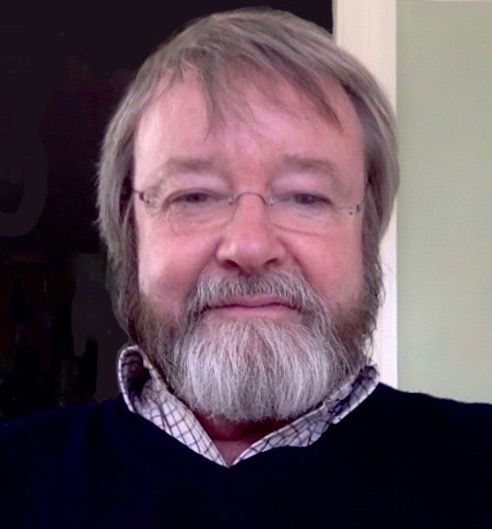 Dr. Iain McGilchrist is committed to the idea that the mind and brain can be understood only by seeing them in the broadest possible context, that of the whole of our physical and spiritual existence, and of the wider human culture in which they arise – the culture which helps to mould, and in turn is moulded by, our minds and brains. He has been Lecturer in English at Oxford University; Clinical Director of London NHS Acute Mental Health Services; Research Fellow in neuroimaging atJohns Hopkins Hospital in Baltimore, USA; leader of Community Mental Health Team in South London.
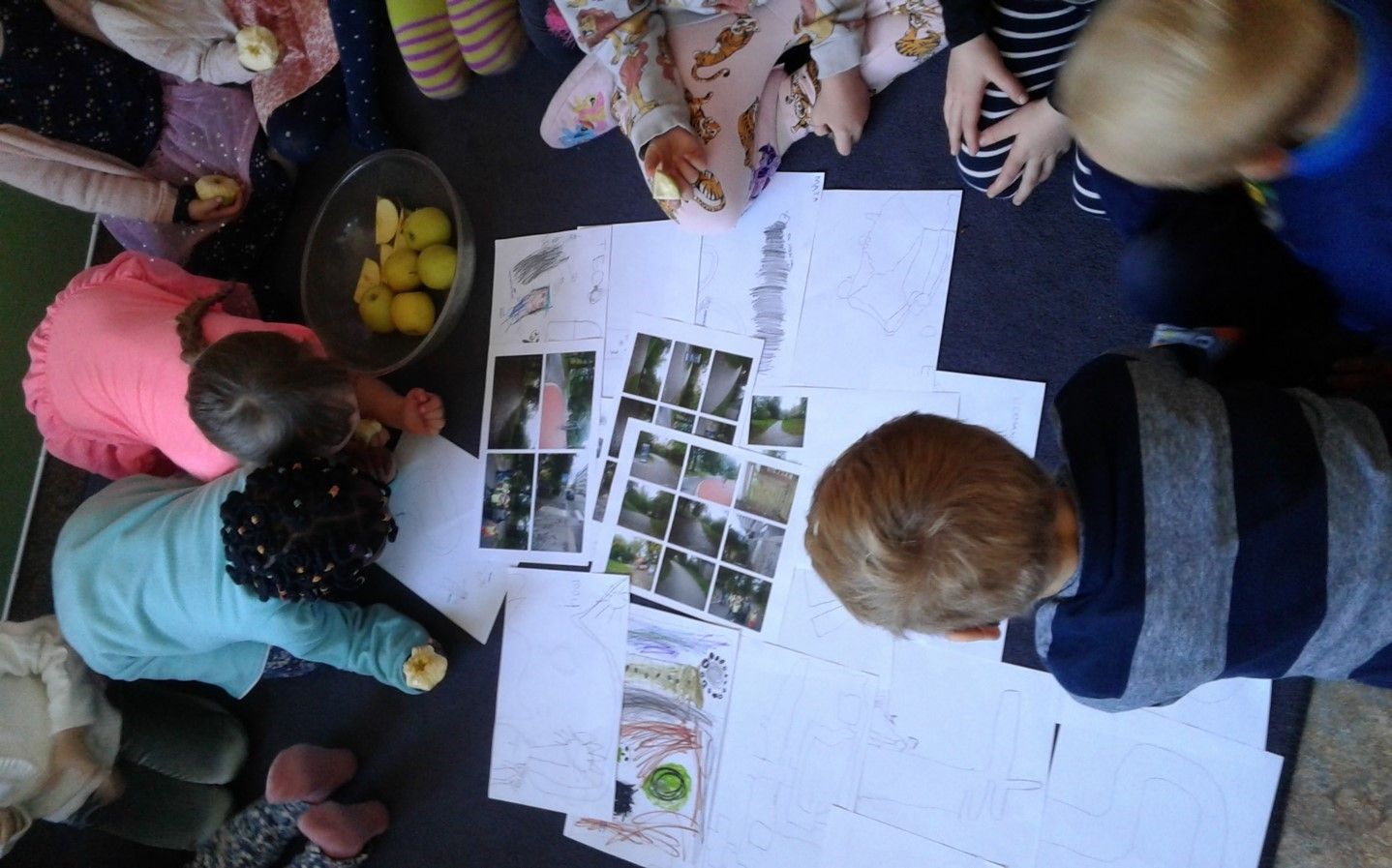 Democracy depends on a learning, educated citizen who is able to change in the face of new arguments. Exercising democratic citizenship requires training and skill. It requires a general education school for all. It requires an education where we learn to learn together even though we are different. In fact, democracy needs us to be able to interact with those who think differently.
 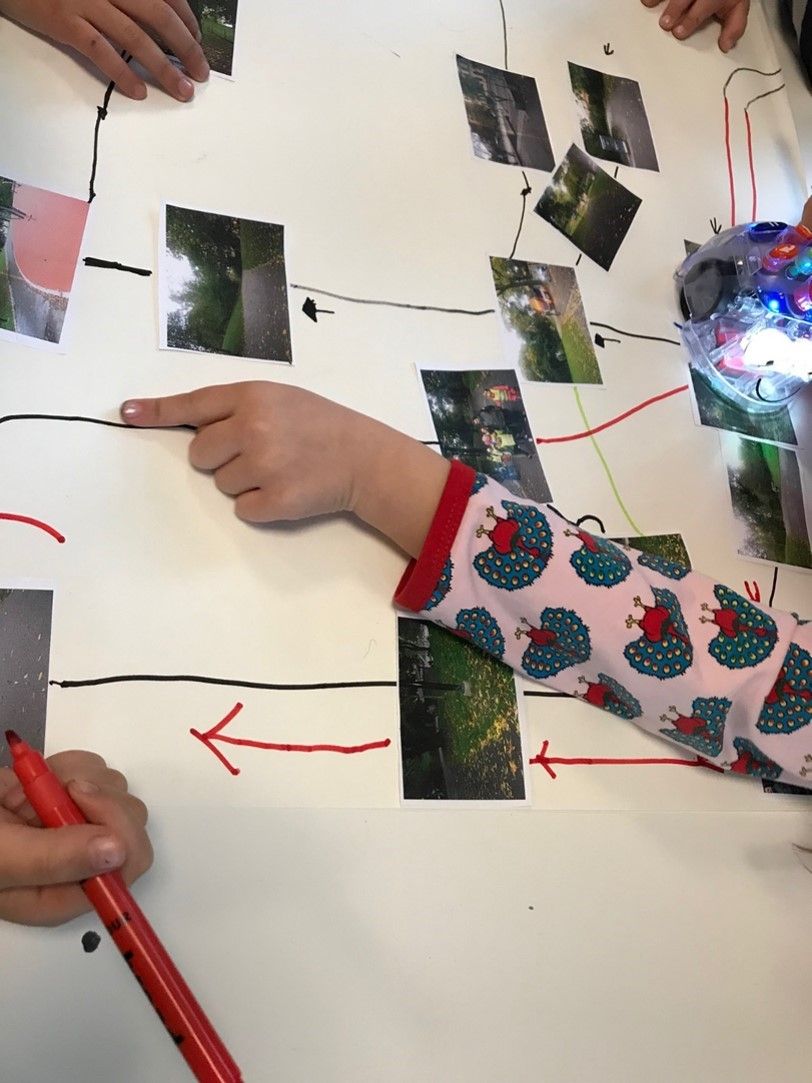 Malin shows how a reflective culture in project work with children can create conditions for children to "position themselves in the world as democratic citizens." Children depend on the teacher's ability to listen to and see the children's abilities. The narrative shows how teachers can work to connect democratic values in a dialogue with innovative theories, becoming more sensitive to children's rich ideas, and creating intelligent situations and a way of working where children can flourish.
  Malin McConnachie is a trained preschool teacher, educator and studio artist. She currently works as a pedagogue for Håbo municipality's municipal preschools, and was previously a preschool teacher and pedagogical development leader in the city of Stockholm.
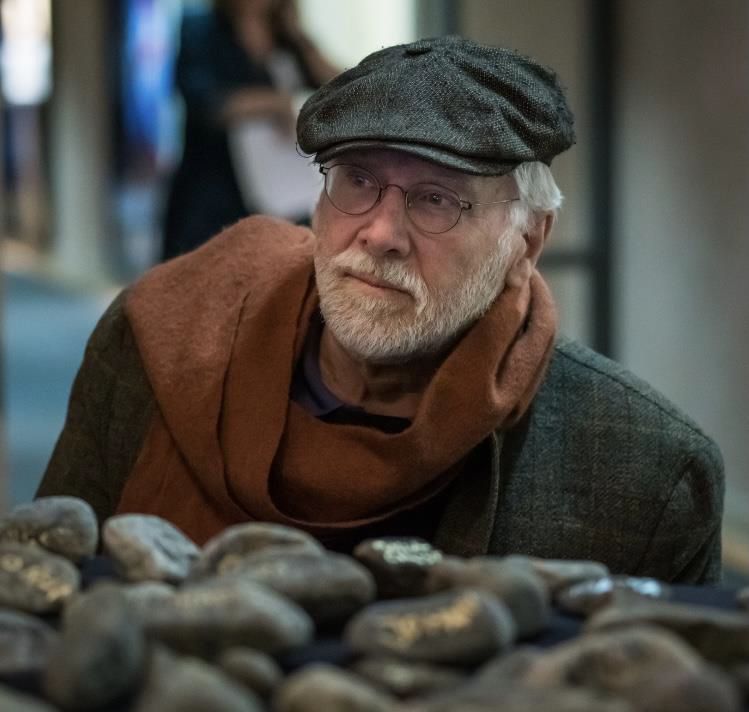 Harold Göthson is a social scientist who has followed the Swedish preschool's growth as a preschool director, teacher educator and municipal child care strategist. He participated in the Preschool Pedagogical Program before he in 1992 became one of the founders of the Reggio Emilia Institute. Since 2011, Harold Göthson has been a director at Loris Malaguzzi center of Reggio Emilia.